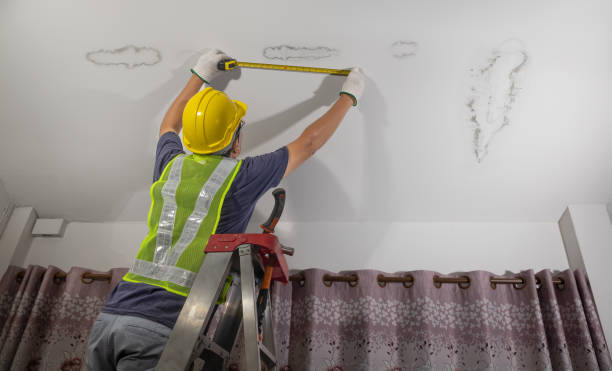
Emergency Water Calls, Any Hour
The first few hours decide how large the job becomes. Water climbs drywall, swells particleboard subfloor, and saturates carpet pad faster than most folks realize. Give it a day or two, and a clean-water loss can turn into mold remediation. For that reason, the line never closes overnight and emergency calls go straight to the nearest contractor who is on call.
An emergency visit normally begins with the crew confirming the source is off and the space is safe. They make sure the water is off, decide whether wet circuits need to be shut at the panel, and begin extraction with portable or truck-mounted gear. When there is standing water below grade, a submersible trash pump usually goes in before anything else. Then come moisture readings, a thermal camera sweep to see where the water traveled, and the first round of air movers and LGR dehumidifiers.
When the first visit wraps up, a few things should be clear to you. You should know which rooms are affected, what water category you have, and what can be dried in place versus pulled out. You should also know when the crew is coming back to take readings and move equipment. Three to five days of drying is typical, but hardwood floors, plaster walls, and stone foundations can stretch that out. Keep the machines on, the windows closed unless the pro says to open them, and the thermostat where it was set.
- Burst pipes, failed supply lines, and water heater leaks
- Storm runoff, roof leaks, and flooded window wells
- Failed sump pumps and seeping basement walls
- Overnight and holiday calls handled the same way